The Art of the Unspoken: How Mumbai's Top Companions Read Clients Before They Say a Word
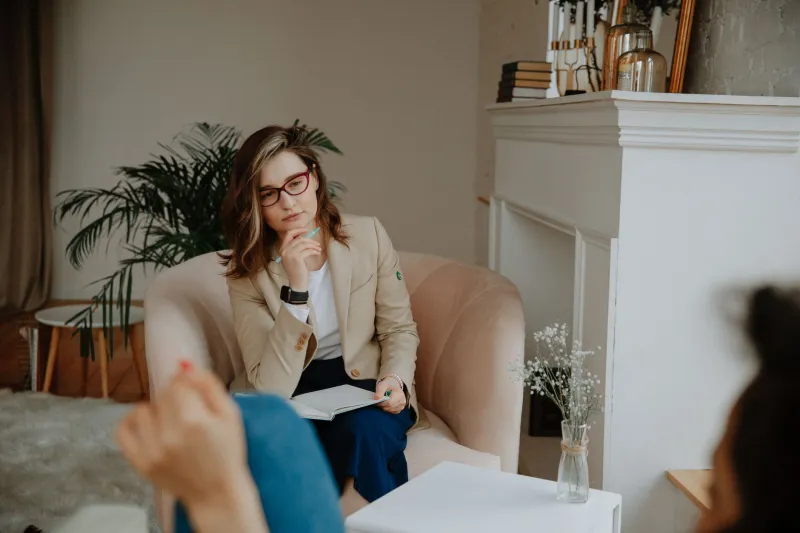
There's a certain kind of magic that happens when you walk into a room and immediately feel understood. No awkward icebreakers. No fumbling through explanations of what kind of evening you're hoping for. The companion across from you just gets it — and the whole experience flows from there.
That magic isn't accidental. It's a skill. And for companions operating in a city as fast-paced and diverse as Mumbai, developing that skill isn't just a professional advantage — it's the difference between a client who books once and one who becomes a loyal, returning guest.
So how does it actually work? How do the most sought-after companions in this city pick up on what a client needs before a single explicit request is made? Let's break it down.
First Impressions Are Data, Not Just Feelings
The moment a client walks through the door — or even steps out of a cab at a hotel lobby — they're broadcasting information. The way someone carries themselves says a lot. A man who moves quickly, checks his phone twice before he's even said hello, and keeps his shoulders tight is telling you something without opening his mouth: he's stressed, probably short on time, and may need the energy in the room to slow down before it can speed back up.
Contrast that with someone who arrives a few minutes early, looks around the space with genuine curiosity, and makes easy eye contact. That person is likely open, relaxed, and ready to be present. The approach that works for one will fall flat with the other.
Seasoned companions treat those first few minutes like a quiet intake process. Not clinical — just attentive. What's the energy? What's the pace? What does this person seem to need right now, in this specific moment?
The Voice Tells More Than the Words
Most people focus on what someone says. Professionals listen to how they say it.
A client who speaks in short, clipped sentences is probably not in the mood for a long, meandering conversation about Mumbai's history or last night's cricket match. A client who asks lots of open-ended questions — "So what do you think about..." or "Have you ever tried..." — is almost certainly looking for genuine engagement, not just surface-level pleasantries.
Pace matters too. Slow talkers often appreciate a companion who mirrors that rhythm. Rushing them will create friction. Fast talkers, on the other hand, tend to feel more comfortable when the energy matches theirs — a companion who responds with enthusiasm and keeps the conversational ball moving.
Then there's tone. Warmth, nervousness, guardedness, excitement — all of it bleeds through in vocal delivery. Picking up on those undertones and responding to the emotional content, not just the literal words, is one of the clearest markers of true professional attentiveness.
Body Language Is a Full Conversation
This one deserves its own section because it's where so much gets missed.
A client who keeps his arms crossed isn't necessarily being difficult — he might just be cold, or physically self-conscious, or genuinely uncertain about how to hold himself in this kind of setting. The instinct might be to push harder to open him up. The smarter move is to give him space, reduce any pressure in the room, and let him unfold at his own pace.
Eye contact is particularly telling. Sustained, comfortable eye contact usually signals confidence and engagement. Frequent glancing away might indicate distraction — or it might mean the client is processing something emotionally. Either way, it's a cue to check in gently rather than assume.
Posture shifts are worth watching too. When someone leans in, they're interested. When they lean back, they may be pulling away from something — a topic, a tone, or an energy that isn't landing right. Noticing those micro-adjustments in real time and pivoting accordingly is what separates reactive companions from genuinely intuitive ones.
Active Listening Is a Practice, Not a Personality Trait
Here's something that often gets overlooked: active listening is a skill you develop, not a natural gift some people have and others don't.
It involves a few specific habits. Reflecting back what someone says — not parroting, but paraphrasing — shows that you actually heard them. "So it sounds like you've had a pretty brutal week" lands differently than a generic "Oh that's too bad." One closes the loop. The other keeps things moving on the surface.
Asking follow-up questions that build on what was just said (rather than pivoting to a new topic) signals genuine interest. And genuine interest, even in a professional context, is something people feel immediately. It's one of the most powerful tools a companion can deploy — and it costs nothing.
Silence is part of active listening too. American clients in particular sometimes expect constant conversation, but there's real value in learning when not to fill the air. A comfortable silence communicates ease. It says: you don't have to perform for me, and I'm not performing for you.
Reading the Backstory Without Asking for It
Not every client who walks in will want to explain themselves. Some will give you very little context about who they are or what brought them to Mumbai. That's completely fine — and it doesn't have to be a barrier to a great experience.
Pay attention to small details. The kind of hotel someone's staying at. Whether they're dressed for a business dinner or a beach day. Whether they seem like someone who travels frequently or someone for whom this whole trip feels a little unfamiliar. These contextual clues help fill in the blanks.
A first-time visitor to India who's slightly overwhelmed by sensory overload might need a companion who acts as a gentle anchor — someone calm, reassuring, and familiar with the city's rhythms. A seasoned business traveler who's been to Mumbai a dozen times probably wants something different: less hand-holding, more genuine companionship between equals.
Neither is better or worse. They're just different needs — and reading which one you're dealing with early on makes everything that follows more natural.
Why This All Matters in a Competitive Market
Mumbai's companionship scene is vibrant, diverse, and genuinely competitive. Clients have options. What keeps them coming back — what turns a one-time booking into something they talk about with quiet enthusiasm — is almost never just the basics. It's the feeling of being seen.
That feeling doesn't come from grand gestures. It comes from a companion who noticed they seemed tense and quietly dialed back the energy. From someone who remembered they mentioned preferring a quieter venue and suggested one without being asked. From a person who made them feel, for a few hours in a city of millions, genuinely attended to.
That's the real differentiator. And it starts with learning to read between the lines.